

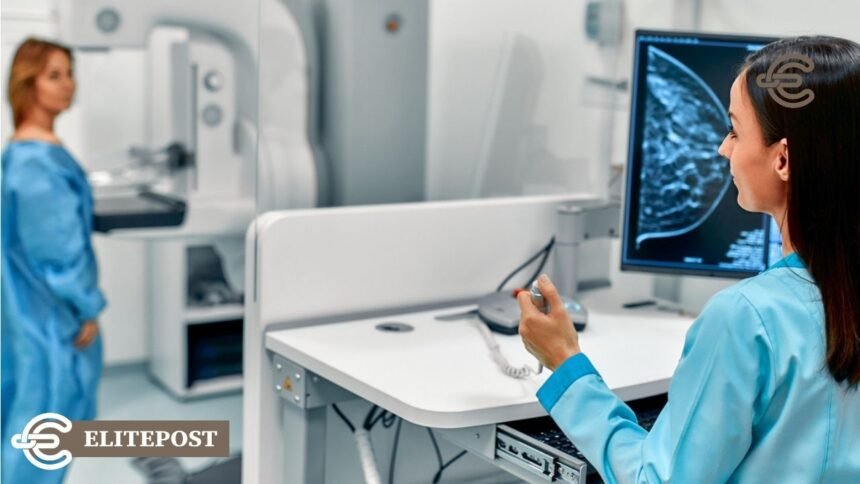
3D Mammogram is one of the most advanced technologies used for breast cancer screening and early detection. This modern imaging method helps doctors identify abnormalities in breast tissue more clearly than traditional mammograms.
Breast cancer remains one of the most common health concerns affecting women worldwide. Early detection plays a major role in successful treatment and recovery. Because of this, healthcare providers increasingly recommend 3D mammography for routine screening and diagnostic purposes.
Unlike standard 2D mammograms that capture only flat images, a 3D mammogram creates multiple layered images of breast tissue from different angles. This technology improves image clarity and helps radiologists detect small tumors or hidden abnormalities more accurately.
As of 2026, 3D mammography has become a widely trusted screening tool in hospitals and imaging centers around the world.
Quick Table
| Category | Details |
|---|---|
| Medical Term | 3D Mammogram |
| Also Known As | Digital Breast Tomosynthesis (DBT) |
| Purpose | Breast Cancer Screening and Early Detection |
| Technology Type | Advanced Digital Imaging |
| Main Function | Creates Multiple Breast Images From Different Angles |
| Used For | Detecting Breast Abnormalities and Tumors |
| Recommended For | Women Over 40 and High-Risk Patients |
| Imaging Method | Low-Dose X-Ray Technology |
| Accuracy Level | Higher Than Traditional 2D Mammograms |
| Scan Duration | Usually 10–30 Minutes |
| Radiation Level | Slightly Higher but Within Safe Medical Limits |
| Common Benefit | Improved Detection in Dense Breast Tissue |
| Medical Specialty | Radiology and Breast Imaging |
| Pain Level | Mild Temporary Compression Discomfort |
| Insurance Coverage | Often Covered by Health Insurance Plans |
| Major Advantage | Better Image Clarity and Fewer False Positives |
| Common Use in 2026 | Standard Preventive Breast Cancer Screening |
| Introduced | FDA Approved in 2011 |
| Healthcare Importance | Early Breast Cancer Detection |
| Current Popularity | Widely Used in Modern Diagnostic Centers |
What Is a 3D Mammogram?
3D Mammogram, also known as Digital Breast Tomosynthesis, is an advanced breast imaging test used to detect signs of breast cancer and other abnormalities.
The procedure uses low-dose X-ray technology to create detailed three-dimensional images of breast tissue. During the scan, the imaging machine captures multiple pictures from different angles and combines them into layered digital images.
These layered images allow radiologists to examine breast tissue section by section instead of viewing a single flat image. This reduces overlapping tissue problems that often make cancer detection difficult in traditional mammograms.
3D mammography is commonly used for routine breast cancer screening and follow-up evaluations. Many healthcare providers now prefer it because of its improved accuracy and clearer imaging results.
How a 3D Mammogram Works
During a 3D Mammogram, the breast is gently compressed between two plates to hold it still while images are taken.
The X-ray arm moves in an arc over the breast and captures multiple low-dose images from several angles. A computer system then combines these images into thin layered slices that radiologists can examine individually.
This process creates a three-dimensional view of breast tissue. Because doctors can analyze the tissue layer by layer, they can identify suspicious areas more accurately than with standard flat imaging.
The advanced imaging system improves visibility in dense breast tissue and reduces the chances of hidden tumors going unnoticed.
Difference Between 2D and 3D Mammograms
Traditional 2D mammograms create flat images of the breast, while 3D Mammogram produces multiple layered images that create a more detailed view.
In a 2D mammogram, overlapping breast tissue can sometimes hide abnormalities or create unclear results. This may lead to additional testing or false-positive findings.
A 3D mammogram reduces these issues by separating breast tissue into thin image layers. Radiologists can examine each layer individually, which improves accuracy and cancer detection rates.
Another major difference is that 3D mammography is especially effective for women with dense breast tissue, where traditional imaging often has limitations.
History and Development of 3D Mammography
The development of 3D Mammogram marked a major advancement in breast cancer screening technology.
Researchers and medical imaging companies worked for years to improve the limitations of standard mammograms. Their goal was to create clearer images that could improve early cancer detection.
Digital Breast Tomosynthesis received approval from the U.S. Food and Drug Administration in 2011. Since then, hospitals and diagnostic centers have rapidly adopted the technology.
By 2026, 3D mammography has become one of the most trusted tools for breast imaging and preventive healthcare.
Importance of Early Breast Cancer Detection
Early detection remains one of the most important factors in successful breast cancer treatment. Detecting cancer at an early stage increases survival rates and expands treatment options.
3D Mammogram helps doctors identify small tumors before symptoms become severe. This allows earlier medical intervention and more effective treatment planning.
Routine screening also helps identify non-cancerous breast conditions and tissue changes that may require monitoring.
Healthcare experts strongly recommend regular breast screening because early diagnosis significantly improves patient outcomes and long-term health.
Benefits of a 3D Mammogram
One of the biggest advantages of 3D Mammogram is improved cancer detection accuracy.
The technology provides clearer and more detailed images, making it easier for radiologists to identify small abnormalities hidden within breast tissue.
Another important benefit is the reduction in false positives. Women who undergo 3D mammography are often less likely to require unnecessary follow-up testing or repeat imaging.
The procedure is also highly beneficial for women with dense breast tissue because the layered imaging improves visibility in areas that are difficult to examine with traditional methods.
Accuracy and Detection Rates
Studies show that 3D Mammogram improves breast cancer detection rates compared to traditional 2D mammograms.
Radiologists can detect smaller invasive cancers more effectively because the technology provides layered tissue analysis.
The scan also reduces recall rates, meaning fewer patients are called back for additional imaging due to unclear results.
Improved accuracy helps reduce patient stress while increasing confidence in diagnostic findings.
Who Should Get a 3D Mammogram?
Healthcare providers commonly recommend 3D Mammogram for women over the age of 40 as part of routine breast cancer screening.
Women with dense breast tissue, family history of breast cancer, genetic risk factors, or previous breast abnormalities may benefit even more from 3D imaging technology.
Doctors may also recommend the procedure for patients who previously received unclear mammogram results.
Each patient should discuss personal risk factors and screening schedules with a healthcare professional.
Breast Density and Mammogram Effectiveness
Dense breast tissue can make cancer detection more difficult because both dense tissue and tumors appear white on traditional mammograms.
3D Mammogram improves visibility by creating layered tissue images that reduce overlap problems.
This increased clarity helps radiologists identify suspicious areas more accurately in patients with dense breasts.
Because of this advantage, many medical experts strongly recommend 3D mammography for women with dense breast tissue.
Preparing for a 3D Mammogram
Preparing for a 3D Mammogram is generally simple and does not require complicated medical preparation. However, following a few important guidelines can help improve image quality and make the procedure more comfortable.
Patients are usually advised to avoid using deodorants, perfumes, lotions, powders, oils, or creams on the chest and underarm area on the day of the exam. These products may contain tiny particles that can appear on the X-ray images and create confusion during image analysis.
Wearing comfortable two-piece clothing is also recommended because patients will need to remove clothing from the waist up during the examination. Separate tops and bottoms make changing easier and more convenient during the appointment.
Doctors may also recommend scheduling the mammogram during a time when the breasts are less tender, especially for women who experience discomfort related to hormonal changes. Many patients prefer to avoid scheduling the exam just before their menstrual cycle because breast sensitivity may increase during that period.
Patients should always inform healthcare providers about pregnancy, breastfeeding, breast implants, previous surgeries, biopsies, or any history of breast-related medical conditions. Sharing previous mammogram records can also help radiologists compare results and identify changes more accurately.
Good preparation helps ensure clearer imaging results, faster appointments, and a more comfortable patient experience overall.
Step-by-Step 3D Mammogram Procedure
The procedure for a 3D Mammogram follows a structured process designed to capture detailed breast images safely and accurately.
At the beginning of the appointment, a trained technologist guides the patient into the imaging room and explains each step of the procedure. The patient stands in front of the mammography machine while one breast is carefully positioned on a flat imaging platform.
The technologist then gently compresses the breast using a clear plastic plate. Compression is necessary because it keeps the breast still, spreads the tissue evenly, and improves image clarity while reducing radiation exposure.
Once positioned correctly, the imaging arm moves in a curved arc around the breast and captures multiple low-dose X-ray images from different angles. Unlike traditional mammography, which creates a flat image, this advanced process produces layered digital images for detailed analysis.
Each breast is scanned separately, and the image capture process usually takes only a few seconds per scan. After the images are collected, a computer system combines them into a three-dimensional view that radiologists can study layer by layer.
The entire procedure is performed by trained medical professionals in a controlled imaging environment to ensure patient safety and accurate results.
What Happens During the Scan?
During a 3D Mammogram scan, patients stand upright in front of the mammography machine while the technologist carefully positions the breast for imaging.
The breast is gently compressed between two plates to keep it stable during the scan. This compression may feel uncomfortable for a few seconds, but it is necessary to improve image quality and reduce blurry results caused by movement.
As the machine operates, the imaging arm moves in a smooth arc motion around the breast while capturing multiple low-dose X-ray pictures from different angles. Patients are usually asked to remain still and briefly hold their breath during image capture to ensure clear imaging.
The machine does not enter the body or involve injections, making the procedure non-invasive and relatively simple. Most scans are completed quickly without requiring sedation or recovery time.
After both breasts are scanned, the technologist checks the images to confirm they are clear and complete before ending the appointment. The collected images are then reviewed by a radiologist who examines the breast tissue for abnormalities, masses, or suspicious changes.
The overall scanning experience is fast, safe, and commonly performed in hospitals, diagnostic centers, and outpatient imaging clinics.
How Long Does a 3D Mammogram Take?
Most 3D Mammogram appointments take between 10 and 30 minutes from start to finish, depending on the patient’s situation and imaging requirements.
The actual image capture process itself is very short and usually lasts only a few seconds for each breast. However, additional time may be needed for patient preparation, positioning, and reviewing image quality.
Patients undergoing their first mammogram appointment may require slightly more time because technologists often explain the procedure in detail and answer questions beforehand.
If additional images are needed due to unclear areas or movement during scanning, the appointment may last a little longer. However, most routine screenings are completed efficiently.
One of the advantages of modern 3D mammography technology is speed and convenience. Patients can usually resume work, travel, exercise, and other normal daily activities immediately after leaving the imaging center.
Because the process is quick and minimally disruptive, many healthcare providers encourage regular screening appointments as part of preventive healthcare routines.
Pain, Comfort, and Patient Experience
Some patients experience mild discomfort during a 3D Mammogram because of the temporary breast compression required for imaging. However, severe pain is uncommon for most individuals.
The amount of discomfort varies depending on breast sensitivity, hormonal changes, and personal pain tolerance. Some women describe the sensation as pressure or tightness that lasts only a few seconds during each image capture.
Technologists are trained to make the experience as comfortable as possible while still ensuring accurate image quality. Patients can communicate with the technologist if they feel significant discomfort during positioning or compression.
Scheduling the mammogram at a time when the breasts are less tender may also help improve comfort during the exam. Relaxing the body and remaining calm can reduce muscle tension and make positioning easier.
Most patients describe the overall experience as quick, manageable, and worth the temporary discomfort because of the importance of early cancer detection.
Modern mammography machines are also designed to improve patient comfort compared to older imaging systems, making the process smoother and more efficient.
Radiation Exposure and Safety
3D Mammogram uses low-dose radiation that falls within internationally accepted medical safety guidelines.
Although the radiation exposure from a 3D mammogram may be slightly higher than a traditional 2D mammogram, experts consider the dose very low and medically safe for routine screening purposes.
Healthcare professionals carefully monitor radiation levels to ensure patient safety while still obtaining detailed diagnostic images. Modern imaging systems are designed to minimize unnecessary radiation exposure without reducing image quality.
The medical benefits of early breast cancer detection generally outweigh the small radiation risk associated with screening. Detecting cancer at an early stage can significantly improve treatment success rates and long-term survival outcomes.
For women at higher risk of breast cancer, regular screening is especially important despite minimal radiation exposure. Doctors evaluate each patient individually to determine appropriate screening schedules based on age, medical history, and risk factors.
Overall, 3D mammography is considered a safe, effective, and widely trusted imaging technology used in modern preventive healthcare.
Conclusion
3D Mammogram has transformed modern breast cancer screening by providing clearer images, improved accuracy, and earlier detection opportunities.
Its advanced imaging technology helps reduce false positives while improving cancer detection in dense breast tissue. As healthcare technology continues advancing, 3D mammography remains one of the most valuable tools for preventive breast healthcare.
Regular screening, early diagnosis, and professional medical guidance continue to play essential roles in protecting long-term breast health.
FAQs
Q1: What is a 3D mammogram used for?
It is used to detect breast cancer and identify abnormalities in breast tissue.
Q2: Is a 3D mammogram better than a 2D mammogram?
Yes, it generally provides clearer images and improves cancer detection accuracy.
Q3: Does a 3D mammogram hurt?
Patients may feel mild pressure during compression, but discomfort is usually temporary.
Q4: How long does a 3D mammogram take?
Most appointments take between 10 and 30 minutes.
Q5: Is 3D mammography safe?
Yes, it uses low-dose radiation within approved medical safety limits.
VISIT MORE: ELITEPOST