

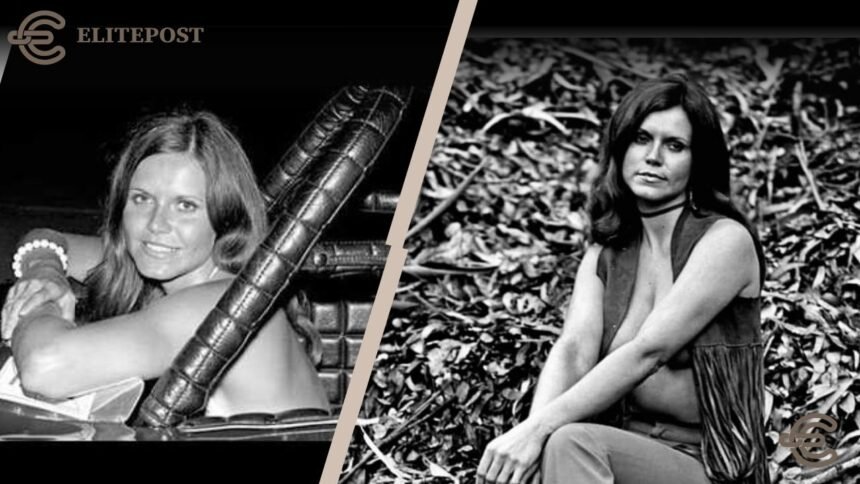
Barbara Roufs remains one of the most memorable figures associated with the golden era of American drag racing. Although she was not a race driver, her presence as a trophy girl helped define the visual identity and culture of drag racing during the 1970s. Her striking appearance, charismatic personality, and connection to motorsports made her a recognizable figure among racing enthusiasts across the United States.
Over the years, interest in Barbara Roufs has continued to grow as vintage drag racing photographs and historical archives have introduced her story to new generations of fans. Many people view her as a symbol of an important period in motorsport history when drag racing experienced rapid growth and widespread popularity.
Her story is about more than appearances and public recognition. It reflects a unique era in American culture, where motorsports, fashion, and entertainment came together to create unforgettable moments. Today, Barbara Roufs is remembered as an iconic personality whose influence remains connected to the history of drag racing.
Quick Bio Table
| Category | Details |
|---|---|
| Full Name | Barbara Roufs |
| Profession | Drag Racing Trophy Girl |
| Famous For | Association with 1970s Drag Racing Culture |
| Nationality | American |
| Birth Year | 1944 |
| Birthplace | California, United States |
| Ethnicity | Caucasian |
| Marital Status | Private |
| Children | Reportedly Had a Daughter |
| Hair Color | Brown |
| Eye Color | Brown |
| Active Era | Late 1960s and 1970s |
| Known For | Trophy Girl Appearances at Drag Racing Events |
| Industry | Motorsports and Racing Promotions |
| Legacy | Icon of the Golden Era of Drag Racing |
| Death | January 1991 |
| Age at Death | 47 Years |
| Current Recognition | Historic Drag Racing Personality |
Who Was Barbara Roufs?
Barbara Roufs was an American drag racing trophy girl who became famous during the 1970s. She gained recognition through her appearances at drag racing events, where she presented trophies, participated in promotional activities, and became a well-known figure among racing fans.
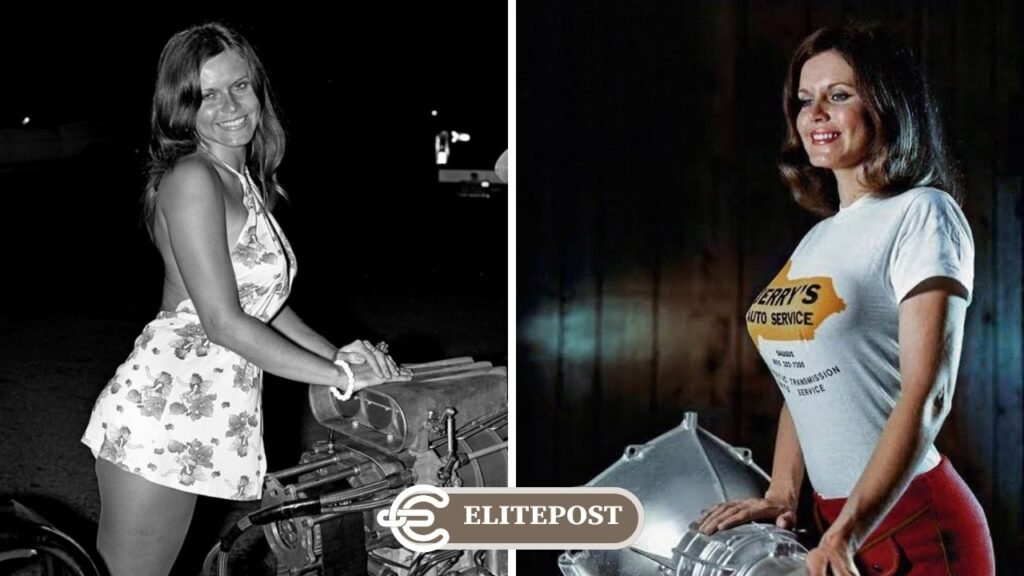
Unlike professional drivers who gained fame through competition, Barbara became popular because of her strong visual presence and connection to the racing community. Her photographs appeared in motorsport publications, event promotions, and racing memorabilia, helping her become one of the most recognized trophy girls of her era.
Today, she is remembered not only as a motorsport personality but also as a cultural symbol of a unique period in American racing history. Her image continues to appear in historical collections and drag racing retrospectives. Read more Kate Connelly
Early Life and Family Background
Barbara Roufs was born in California during the mid-1940s. She grew up during a period of significant social and cultural change in the United States. While detailed records about her family background remain limited, she spent her early years in an environment that exposed her to the evolving culture of post-war America.
California played an important role in the development of motorsports, car culture, and youth trends during the 1950s and 1960s. Growing up in this environment likely influenced Barbara’s connection to the automotive world and the growing popularity of racing events.
Although much of her family life remained private, her upbringing provided the foundation for the confident personality that later attracted public attention.
Childhood and Personal Development
Barbara Roufs experienced her childhood during a transformative period in American society. New forms of entertainment, music, fashion, and automotive culture were rapidly shaping the interests of young people.
From an early age, she displayed confidence, energy, and a strong sense of personal style. These qualities later became defining characteristics of her public image. Friends and acquaintances often described her as charismatic and approachable.
The experiences she gained during her formative years helped shape her ability to engage with people and thrive in public settings. These traits eventually contributed to her success within the drag racing community.
Education and Early Interests
Although detailed information regarding Barbara Roufs’ education is limited, she likely completed her schooling in California during a period when youth culture and personal expression were becoming increasingly important.
Outside the classroom, she developed interests that reflected the social trends of the era. Fashion, music, social events, and automotive culture were major influences on young adults during the 1960s and early 1970s.
Her natural confidence and outgoing personality made her well suited for public-facing roles. These interests and personal qualities later aligned perfectly with the promotional side of motorsports.
The Rise of Drag Racing Culture in America
During the 1960s and 1970s, drag racing became one of America’s fastest-growing motorsports. Organized racing events attracted large crowds, sponsorships increased, and racing culture expanded beyond local communities.
The popularity of muscle cars and performance vehicles fueled interest in drag racing. Fans attended events not only to watch races but also to experience the entertainment, atmosphere, and community surrounding the sport.
This period became known as the golden era of drag racing. It created opportunities for drivers, promoters, sponsors, and promotional personalities such as Barbara Roufs to become part of motorsport history.
How Barbara Roufs Entered the Drag Racing Scene
Barbara Roufs entered the drag racing scene during a time when motorsport events relied heavily on promotional figures to engage fans and support event marketing. Her appearance, personality, and confidence made her an ideal representative for racing events.
As drag racing expanded, trophy girls became important parts of race weekends. They participated in award ceremonies, promotional photography, and interactions with fans.
Barbara quickly gained attention due to her unique appearance and ability to connect with audiences. Her growing popularity helped establish her as one of the most recognizable trophy girls in drag racing.
Becoming a Famous Drag Racing Trophy Girl
Barbara Roufs became widely known after appearing at numerous drag racing events across California and other racing venues. Her role as a trophy girl placed her at the center of major competitions and celebrations.
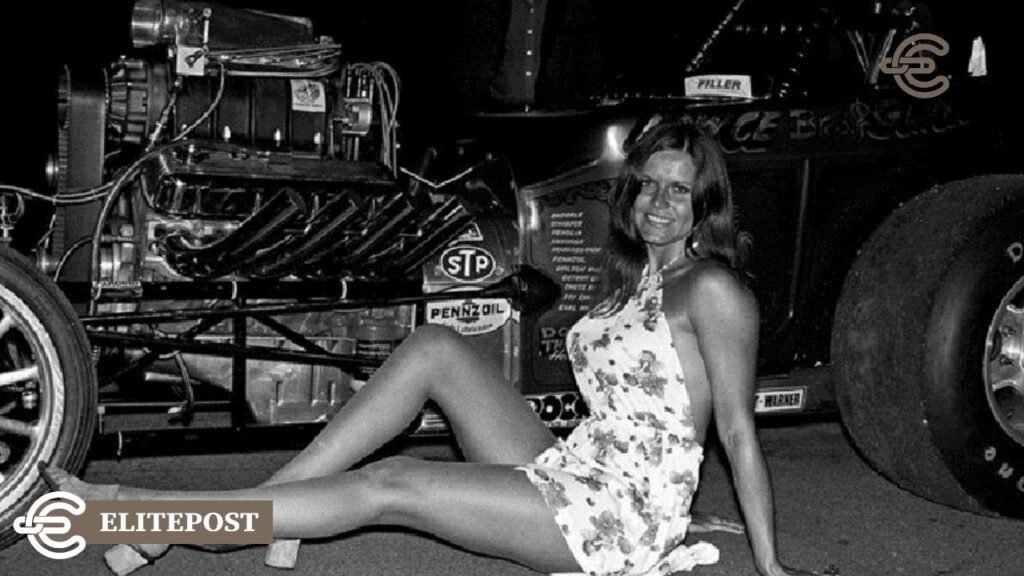
Photographers frequently captured her at events, and many of these images later became iconic representations of 1970s drag racing culture. Her presence added excitement and visual appeal to racing promotions.
As her popularity grew, fans began recognizing her as one of the defining personalities of the sport’s promotional side. She became an important part of the racing experience for many spectators.
Barbara Roufs and the Golden Era of Drag Racing
The golden era of drag racing was characterized by powerful cars, passionate fans, and unforgettable personalities. Barbara Roufs became closely associated with this exciting period.
Her image reflected the style and energy of the 1970s. Long hair, fashionable clothing, and a confident public presence made her stand out among other promotional figures.
Because of her strong connection to this era, many drag racing historians consider her one of the most memorable personalities associated with the sport’s most influential years. Her photographs continue to symbolize the atmosphere of classic drag racing events.
Unique Style and Public Image
One of the reasons Barbara Roufs became so popular was her distinctive personal style. She embodied many of the fashion trends associated with the 1970s while maintaining a unique appearance that attracted attention.
Her long hair, natural beauty, and confident personality made her instantly recognizable. Unlike many promotional models of later eras, Barbara represented an authentic and relatable image that resonated with fans.
This combination of style and personality helped create a lasting public image that remains memorable decades later.
Popularity Among Racing Fans
Barbara Roufs developed a strong following among racing enthusiasts who attended drag racing events during the 1970s. Fans admired her enthusiasm, friendliness, and connection to the racing community.
Her popularity extended beyond event appearances. Photographs featuring Barbara became highly sought-after collectibles among motorsport fans and historians.
Even today, vintage images of Barbara Roufs continue to circulate online and appear in historical motorsport publications, demonstrating her enduring popularity.
Career Highlights and Public Recognition
Throughout her time in drag racing, Barbara Roufs achieved recognition that few promotional personalities experienced. Her appearances became closely associated with major racing events and memorable moments in motorsport history.
Some of her most notable accomplishments include:
- Becoming one of the most recognized trophy girls of the 1970s
- Appearing in numerous drag racing photographs and publications
- Contributing to the promotional success of racing events
- Becoming a lasting symbol of classic drag racing culture
These achievements helped establish her place within motorsport history.
Influence on Motorsport Culture
Barbara Roufs contributed to motorsport culture by helping shape the promotional and entertainment side of drag racing. Her presence demonstrated how personality and public engagement could enhance fan experiences.
Promotional figures like Barbara helped create stronger connections between racing events and audiences. Their involvement added excitement and helped attract wider public interest.
Her influence remains visible in the way motorsport events continue to incorporate promotional ambassadors and fan engagement activities today.
Media Coverage and Public Attention
During her active years, Barbara Roufs received attention through racing magazines, promotional materials, and event photography. Although media coverage was not as extensive as modern celebrity reporting, her image became widely recognized within motorsport circles.
Photographers frequently featured her alongside race cars, drivers, and event winners. These photographs helped strengthen her public profile and contributed to her growing popularity.
Years later, historical publications and online archives renewed interest in her story and introduced her to younger generations.
Personal Life and Relationships
Barbara Roufs generally maintained a private personal life despite her public visibility. Unlike many modern public figures, she rarely shared personal details with the media.
Information about her relationships remains limited, reflecting her preference for privacy. Most public attention focused on her role within drag racing rather than her personal affairs.
This separation between public recognition and private life helped her maintain personal boundaries during her years in the spotlight.
Family Life and Private Personality
Family played an important role in Barbara Roufs’ life, although much of this aspect remained outside public view. Reports indicate that she was a devoted mother and valued her family relationships.
Friends and acquaintances often described her as warm, caring, and approachable. Away from racing events, she focused on maintaining personal connections and living a balanced life.
Her private personality contrasted with her public image, revealing a more personal side that many fans never had the opportunity to see.
Challenges and Pressures of Public Recognition
While public recognition brought opportunities, it also created challenges. Being a well-known figure within motorsports meant dealing with attention, expectations, and constant visibility at events.
The pressure of maintaining a public image can be difficult, especially during periods of rapid popularity. Individuals in promotional roles often face unique demands that are not always visible to the public.
Barbara’s experience reflects the complexities of balancing public attention with personal well-being.
Life Beyond the Racing Spotlight
As the golden era of drag racing evolved, Barbara Roufs gradually stepped away from public attention. Her life beyond the racing spotlight became increasingly private.
Many former public figures choose to focus on personal priorities after leaving highly visible roles. Barbara appeared to follow a similar path, dedicating more time to family and personal matters.
This transition allowed her to enjoy a quieter lifestyle away from the demands of public recognition.
Later Years and Personal Journey
The later years of Barbara Roufs’ life remain less documented than her time in drag racing. However, those who remember her often speak positively about her personality and contributions to the racing community.
Although she was no longer regularly appearing at major racing events, her impact remained visible through photographs, memorabilia, and the memories of fans.
Her journey reflects both the excitement of public recognition and the importance of personal growth beyond fame. Read more Max Dorsch
Barbara Roufs’ Legacy in Drag Racing History
Barbara Roufs occupies a unique place in drag racing history. While she was not a competitor, her influence on the culture and image of the sport remains significant.
Her photographs continue to appear in historical retrospectives and motorsport collections. For many enthusiasts, she represents the spirit and excitement of classic American drag racing.
This lasting legacy has ensured that her name remains connected to one of the most celebrated periods in motorsport history.
Why Barbara Roufs Remains Popular Today
Interest in Barbara Roufs continues because she represents a nostalgic era that many racing fans remember fondly. Her story combines motorsports, fashion, entertainment, and cultural history.
The growth of online archives and social media has introduced her to younger audiences who appreciate vintage motorsport culture. Her photographs continue to attract attention and spark curiosity.
As a result, her popularity has extended far beyond the years of her active public presence.
Influence on Modern Racing Culture
Although motorsports have changed significantly since the 1970s, Barbara Roufs’ influence remains visible. Modern racing events continue to emphasize fan engagement, event presentation, and promotional ambassadors.
Her role helped establish standards for public interaction and event promotion that continue to influence motorsport marketing today.
By contributing to the cultural identity of drag racing, Barbara Roufs left a lasting impact that extends beyond her own era.
Conclusion
Barbara Roufs remains one of the most iconic personalities associated with the golden era of American drag racing. Through her role as a trophy girl, she became a symbol of the excitement, style, and energy that defined motorsports during the 1970s.
Her story continues to inspire interest among racing enthusiasts and historians who appreciate her contribution to motorsport culture. Decades after her passing, Barbara Roufs remains a memorable figure whose legacy continues to represent one of the most celebrated periods in drag racing history.
FAQs
Q1: Who was Barbara Roufs?
Barbara Roufs was an American drag racing trophy girl who became famous during the 1970s for her appearances at major drag racing events.
Q2: Why is Barbara Roufs famous?
She is famous for being one of the most recognized trophy girls of the golden era of drag racing and for her lasting influence on motorsport culture.
Q3: Was Barbara Roufs a race driver?
No, Barbara Roufs was not a race driver. She was a promotional personality and trophy girl associated with drag racing events.
Q4: When did Barbara Roufs pass away?
Barbara Roufs passed away in January 1991 at the age of 47.
Q5: Why do people still remember Barbara Roufs today?
People remember her because she became a symbol of 1970s drag racing culture and remains an iconic figure in motorsport history.
VISIT MORE: ELITEPOST